What Questions Should You Ask Before Moving a Parent Into Memory Care in Phoenix?
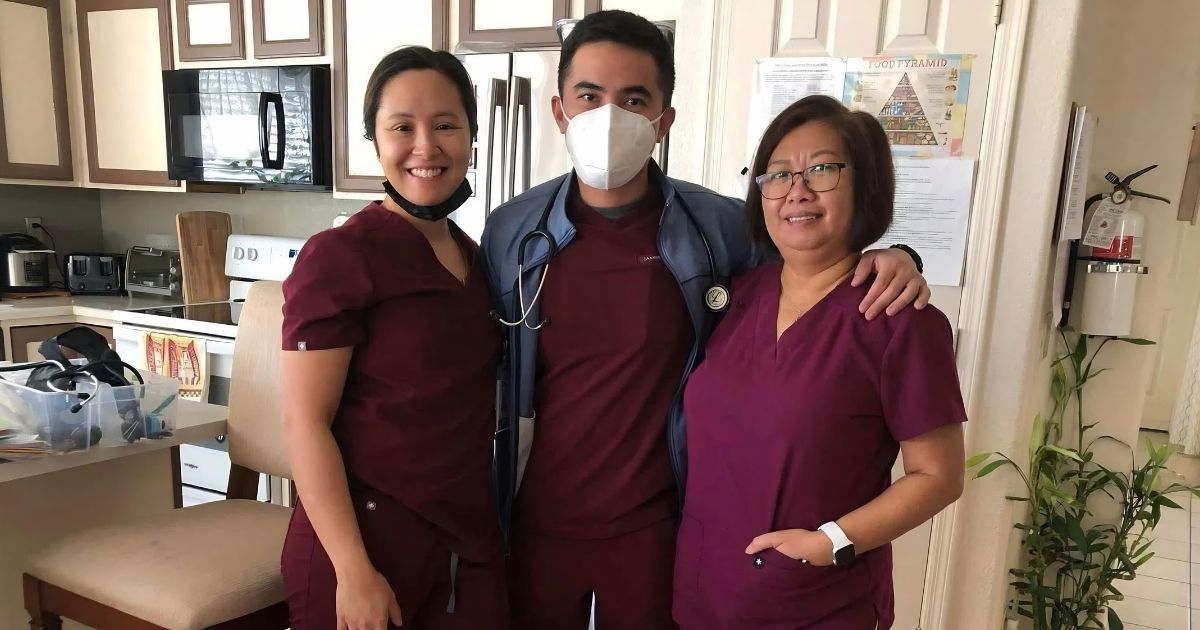
What Questions Should You Ask Before Moving a Parent Into Memory Care in Phoenix?
Happy and Healthy | Phoenix, Arizona
Before moving a parent into memory care in Phoenix, ask about the home's Arizona license and capacity, staffing during the day and overnight, experience supporting people with memory-related needs, daily routines, safety practices, costs, and communication with families. If you are considering a small care home, also ask how its shared living spaces and limited resident capacity shape everyday life. These questions help you compare settings without assuming that one home is right for everyone.
The short version
- Confirm the home's current Arizona license, licensed capacity, and the services it is authorized to provide.
- Ask who is on duty during the day and overnight, and how staff respond when a resident needs help.
- In Phoenix, ask how the home handles extreme heat, outdoor time, transportation, and emergency plans.
- Understand the daily routine, meals, activities, visiting arrangements, fees, and what is or is not included.
- Discuss your parent's health and care needs with their doctor, then ask providers whether their setting and services are appropriate.

What should I check about an Arizona memory care home's license?
Start by asking what type of residential care setting the provider operates, what its current Arizona license covers, and how many residents it is licensed to serve. Do not rely on a website description alone. Ask to see the licensing information and verify details with the appropriate Arizona state agency if you have questions.
Also ask which services the home provides directly and what arrangements apply if a resident's needs change. A home's size or use of the phrase “memory care” does not, by itself, tell you which services are available or whether the setting is suitable for a particular person.
What should I ask about staffing and memory care experience?
Ask how staffing is arranged across the full day, including evenings, overnight hours, weekends, and staff breaks. Find out who is responsible for responding to requests for help and how the home handles a situation when more than one person needs assistance.
Ask about staff training and experience supporting people who have memory-related needs. You can also ask how new staff are oriented, how information is passed between shifts, and how the home communicates with families about changes or concerns. Request clear answers about the home's actual practices rather than assuming that a small resident capacity guarantees a particular staff-to-resident ratio.
What Phoenix-specific safety questions should families ask?
Phoenix's hot weather makes it useful to ask practical questions about heat safety and outdoor routines. Ask how the home plans outdoor time during hot weather, how residents are supported when temperatures are high, and what happens if air conditioning or another essential building system stops working.
Ask about the home's emergency procedures, including power outages, severe weather, evacuation, and how family members are contacted. If the home has outdoor areas, ask how access is supervised and what safety measures are in place. Ask the provider to explain its procedures; do not assume every home uses the same arrangements.
If transportation is important to your family, ask how appointments and other trips are arranged, whether transportation is provided, and whether there are additional charges. Confirm the details that apply to the home rather than assuming transportation is included.
What should I ask about daily routines in a small memory care home?
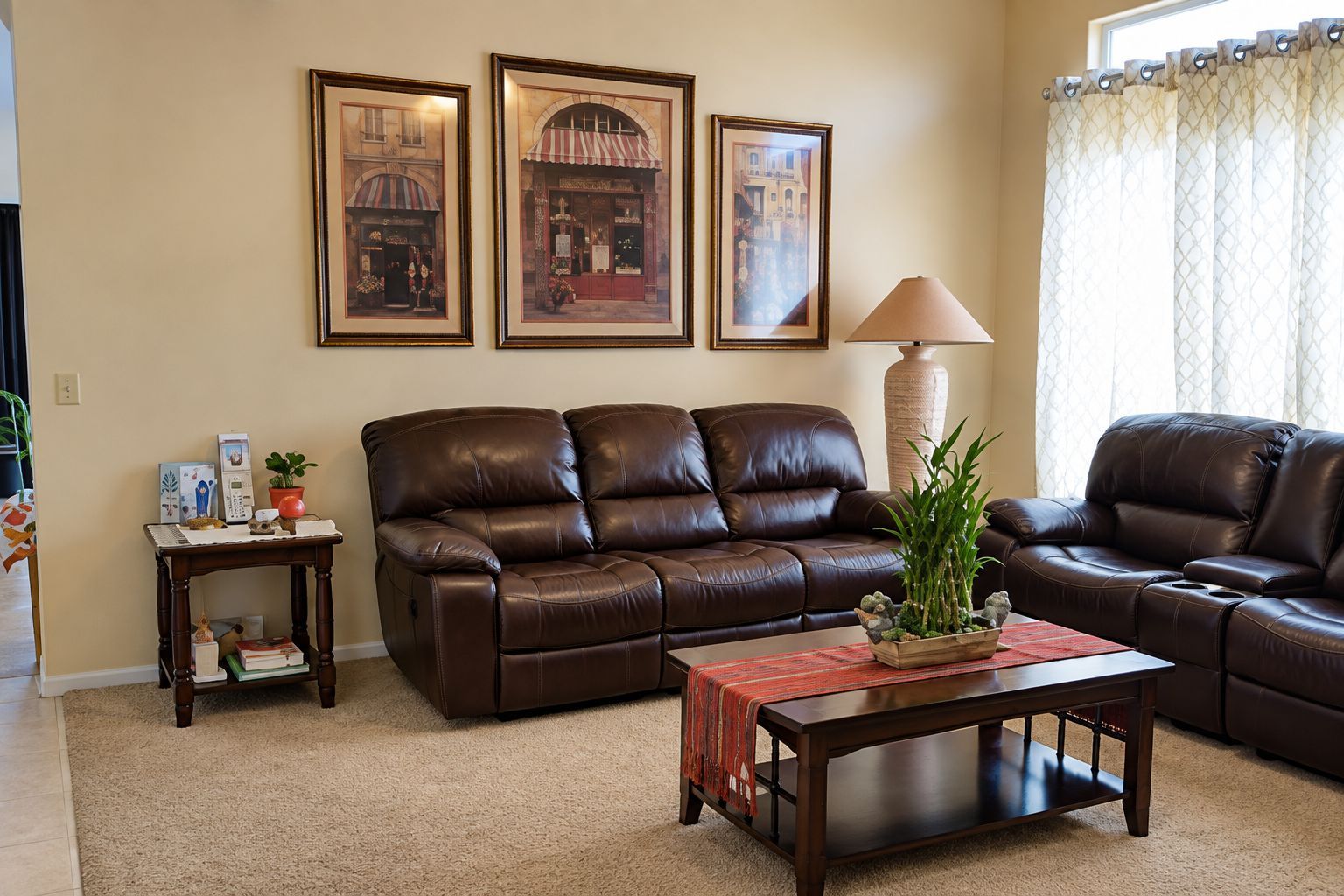
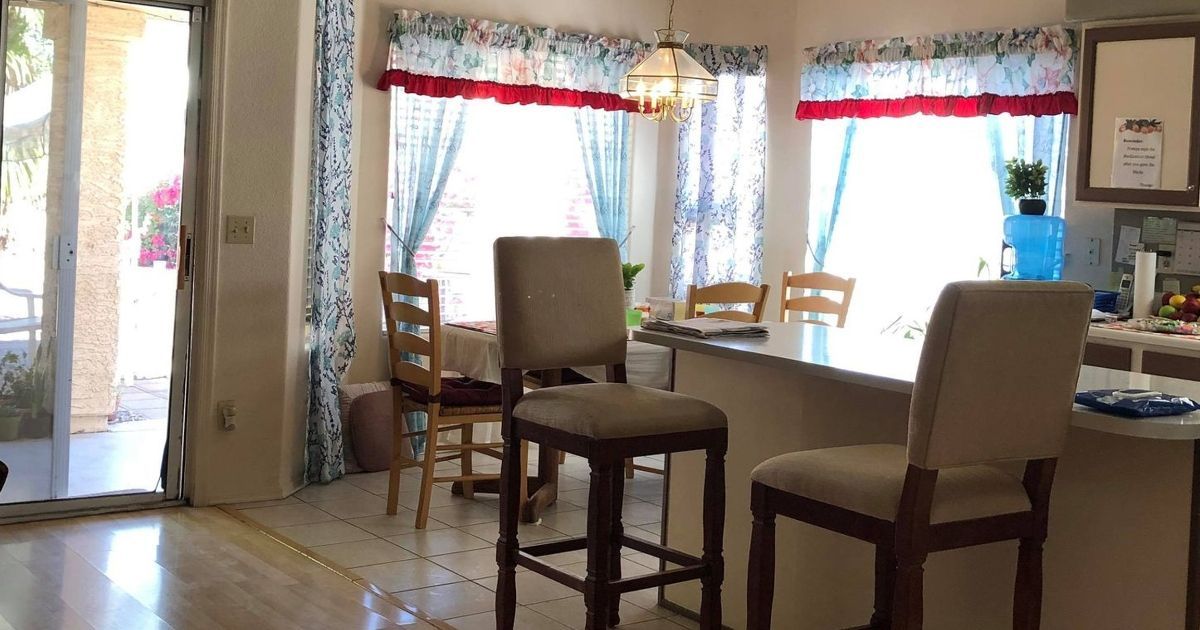
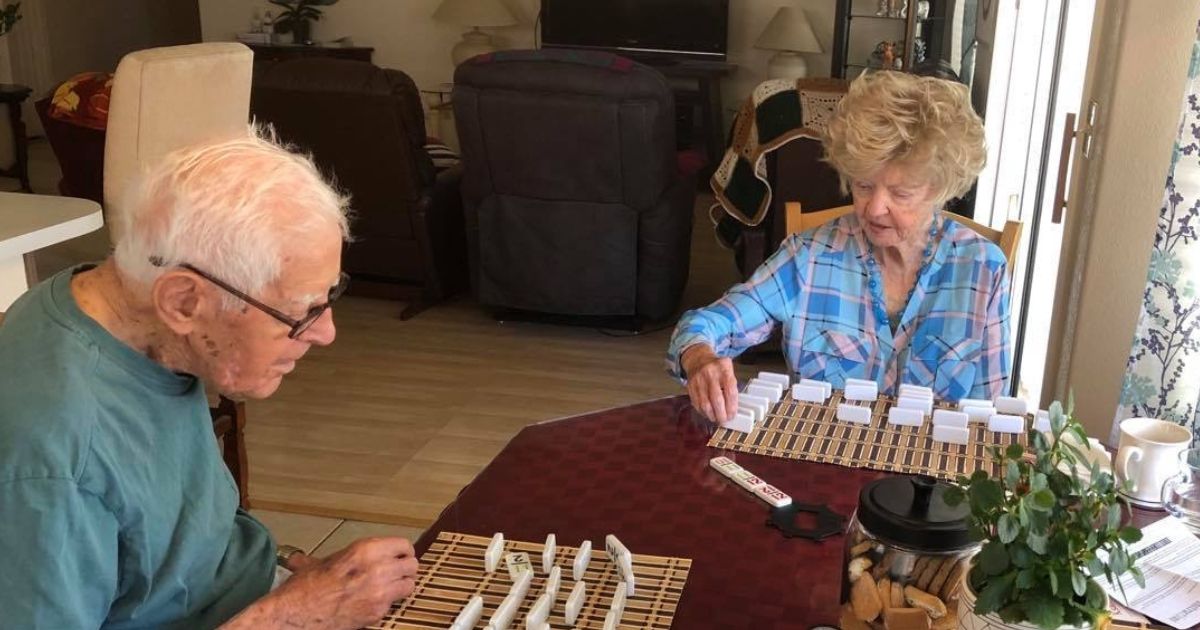
In a small residential care home, residents may share a kitchen, common areas, and parts of the household routine. Ask how meals are planned, what a typical day looks like, how activities are offered, and how the home considers individual preferences within shared spaces.
Ask how staff learn each resident's preferences and communicate relevant information between shifts. If possible, visit at a time when you can see the shared environment and ask what a normal weekday and weekend look like. The goal is to understand the home's actual routine, not to assume that every small home operates in the same way.
How can I compare a small memory care home with a larger community?
Compare the specific arrangements rather than judging by size alone. A small home may have a lower licensed resident capacity and a residential layout, while a larger community may have a different range of shared spaces and services. The details vary by provider, so ask the same core questions at every visit.
| What to compare | Small residential care home | Larger community |
|---|---|---|
| Licensed capacity | Ask for the home's specific licensed capacity. | Ask for the community's specific licensed capacity. |
| Staffing | Ask who is on duty at different times and how help is coordinated. | Ask about staffing schedules, assignments, and how help is coordinated. |
| Daily environment | Ask about shared household spaces, meals, and routines. | Ask about available spaces, meals, activities, and schedules. |
| Services and costs | Request a written explanation of services, fees, and additional charges. | Request a written explanation of services, fees, and additional charges. |
| Phoenix heat and emergencies | Ask about heat, cooling-system issues, and emergency procedures. | Ask about heat, cooling-system issues, and emergency procedures. |
This comparison is a question guide, not a rating of either type of setting. Licensing, services, staffing, costs, and daily practices should be confirmed with each provider.
What questions should I ask about fees, visits, and family communication?
Before making a decision, ask for a written breakdown of the monthly rate, what it includes, which services cost extra, and how the provider communicates changes in fees. Ask about the agreement, deposit, notice requirements, and what happens if the home can no longer provide the services a resident needs.
Discuss visiting hours, who the main family contact will be, how updates are shared, and whom to call with a concern. Ask how the home works with outside healthcare professionals and how families are involved in planning, within the resident's privacy rights and the home's policies.
What should I bring or prepare before a memory care tour?
A short written checklist can help you compare homes consistently. You do not need to share private medical details with every provider during an initial inquiry. Ask your parent's doctor about health-related questions and what level of care may be appropriate, then discuss relevant needs with providers as needed.
- Confirm the license and capacity.
Ask what type of license the home holds, its licensed resident capacity, and how to verify those details. - Ask about staffing at every time of day.
Find out who is on duty overnight and on weekends, how staff communicate between shifts, and how urgent concerns are handled. - Discuss services and fit.
Explain the general questions you have about your parent's needs and ask whether the provider's licensed services and setting are appropriate. Consult your parent's doctor about medical questions. - Ask Phoenix-specific questions.
Discuss hot-weather routines, cooling-system interruptions, transportation, and emergency plans. - Get the practical details in writing.
Request the fee breakdown, service agreement, visiting policies, contact process, and information about what happens if needs change.
Frequently asked questions
What should I ask before choosing memory care in Phoenix?
Ask about Arizona licensing, licensed capacity, staffing schedules, staff experience, safety procedures, daily routines, services, fees, visiting arrangements, and family communication. In Phoenix, also ask how the home handles extreme heat, cooling-system issues, transportation, and emergencies.
Is a small memory care home different from a larger assisted living community?
A small residential care home generally has a smaller licensed capacity and shared household spaces, while a larger community may have a different layout and range of services. Actual staffing, services, and routines vary, so compare individual providers rather than assuming size determines quality or suitability.
How do I verify that a memory care home is licensed in Arizona?
Ask the provider for its current license information and the type of setting it is licensed to operate. If you need to confirm the details, consult the appropriate Arizona state licensing agency rather than relying only on marketing materials.
What should I ask about memory care costs?
Request a written breakdown of the monthly fee, included services, additional charges, deposit, notice requirements, and circumstances that could change the cost. Ask the provider to explain any part of the agreement that is unclear before signing.
How do I know what level of care my parent needs?
Talk with your parent's doctor about their health and appropriate level of care. Then ask each provider to explain its license, services, limitations, and whether the setting can accommodate the needs identified.
Have questions about a small care home in Phoenix?
Choosing a setting for a parent is a personal decision, and it is reasonable to ask detailed questions before taking the next step. Happy and Healthy welcomes families to reach out with questions about the home, its licensing, resident capacity, staffing arrangements, and the services it provides.
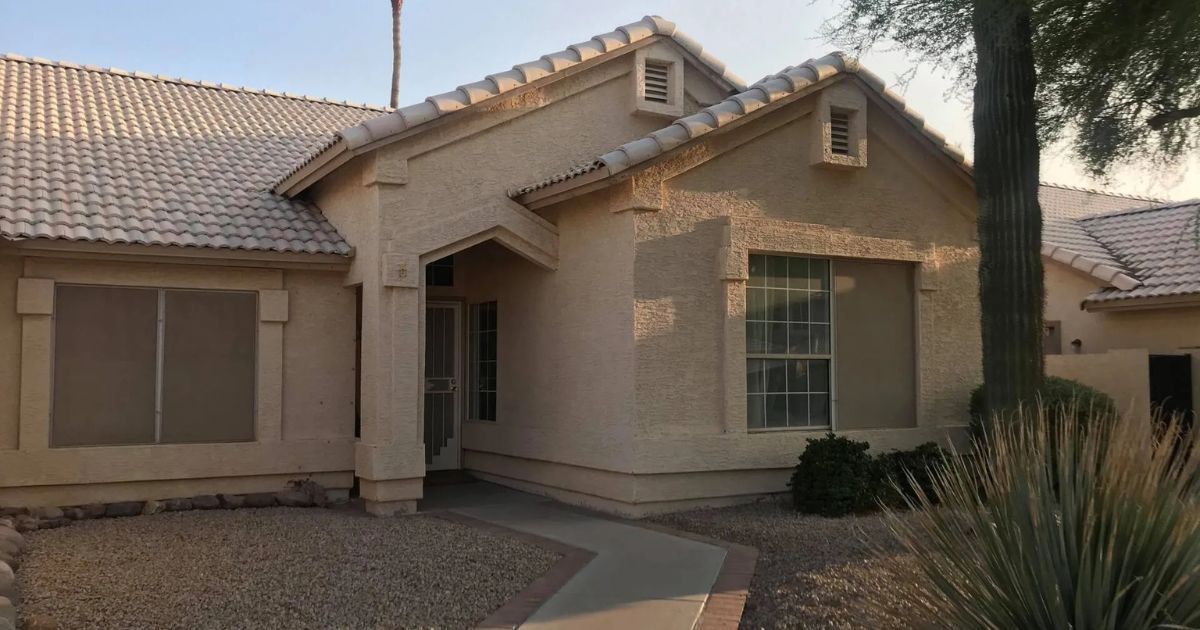
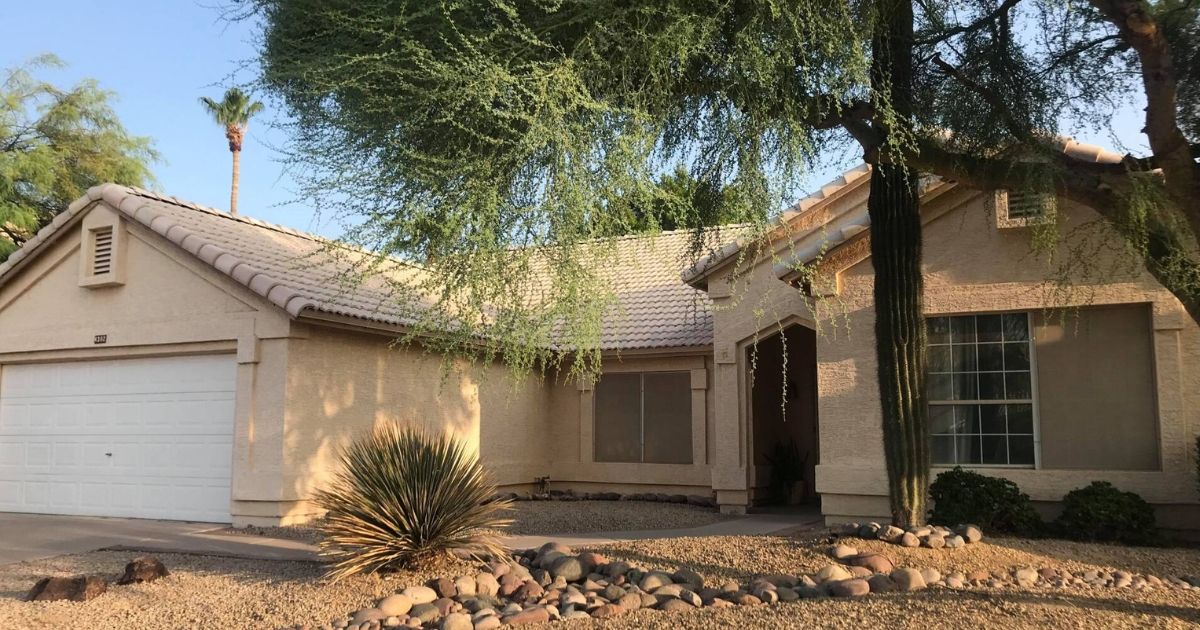
Happy and Healthy is a state-licensed care home in Phoenix, Arizona, licensed for five residents. Contact the home to learn more about its setting and discuss whether it may be an option for your family to explore.
Email: happyandhealthyassistedliving@gmail.com
Phone: (602) 785-1724
This article is for general informational purposes only and is not medical, legal, or financial advice. It does not determine what care a particular person needs or whether a specific home is appropriate. Speak with your parent's doctor about health and care-level questions, and confirm licensing, staffing, services, costs, and policies directly with the provider.